About Catherine

Always an engineer. Also an attorney.

MIT-trained chemical engineer, patent attorney, and a former research engineer herself — now representing the inventors she used to work alongside.

A bookshelf filled with books in a library
  • MIT-trained engineer Chemical engineering degree, now a patent attorney
  • Flat-fee filings Patent filings are billed at one flat fee, agreed upfront
  • Direct attorney access You work with your attorney, not a rotating team
Her Story

From the lab to the law

Catherine's background starts in chemical engineering at MIT, followed by several years working as a research engineer.

Around that same time, MIT was at the center of a highly public patent dispute over CRISPR gene-editing technology. It was the first time Catherine saw engineers and scientists engaging directly with patent law — and it showed her a path that let her stay technical while also becoming an advocate.

Two professionals reviewing documents together at a table

Learning to speak both languages

Law school at Boston College was chosen deliberately around the eventual practice: intellectual property coursework, alongside health law — anticipating a future with medical device clients — and internet and privacy law, anticipating future software clients.

From there, Catherine trained for several years at a large Boston firm, eventually managing dozens of clients directly: surgeons, medical device inventors, software and machine learning companies, and early blockchain startups. Rather than acting as a distant outside vendor, she became something closer to an extension of each small team she worked with.

Finding the right fit

A later move led to a firm working with much larger corporate clients — and the work changed in a way that didn't sit right. Direct contact with the engineers and scientists behind the inventions became rare, replaced by conversations with corporate counsel. That direct, technical relationship was the reason Catherine had gone into this field in the first place.

Why she went solo

Going solo meant building a practice around the clients she actually wanted to work with: early-stage inventors and founders who need someone who genuinely understands the technology, can work directly with them rather than through layers of staff, and can offer pricing that fits a startup budget rather than a large firm's overhead.

Laptop on a desk in a modern workspace
Credentials

Education & bar admissions

Education

  • J.D., Boston College Law School
  • B.S., Chemical Engineering, Massachusetts Institute of Technology

Bar Admissions

  • United States Patent and Trademark Office
  • State of New York
  • Commonwealth of Massachusetts
  • U.S. District Court for the Northern District of New York
Off The Clock

When she's not drafting patents

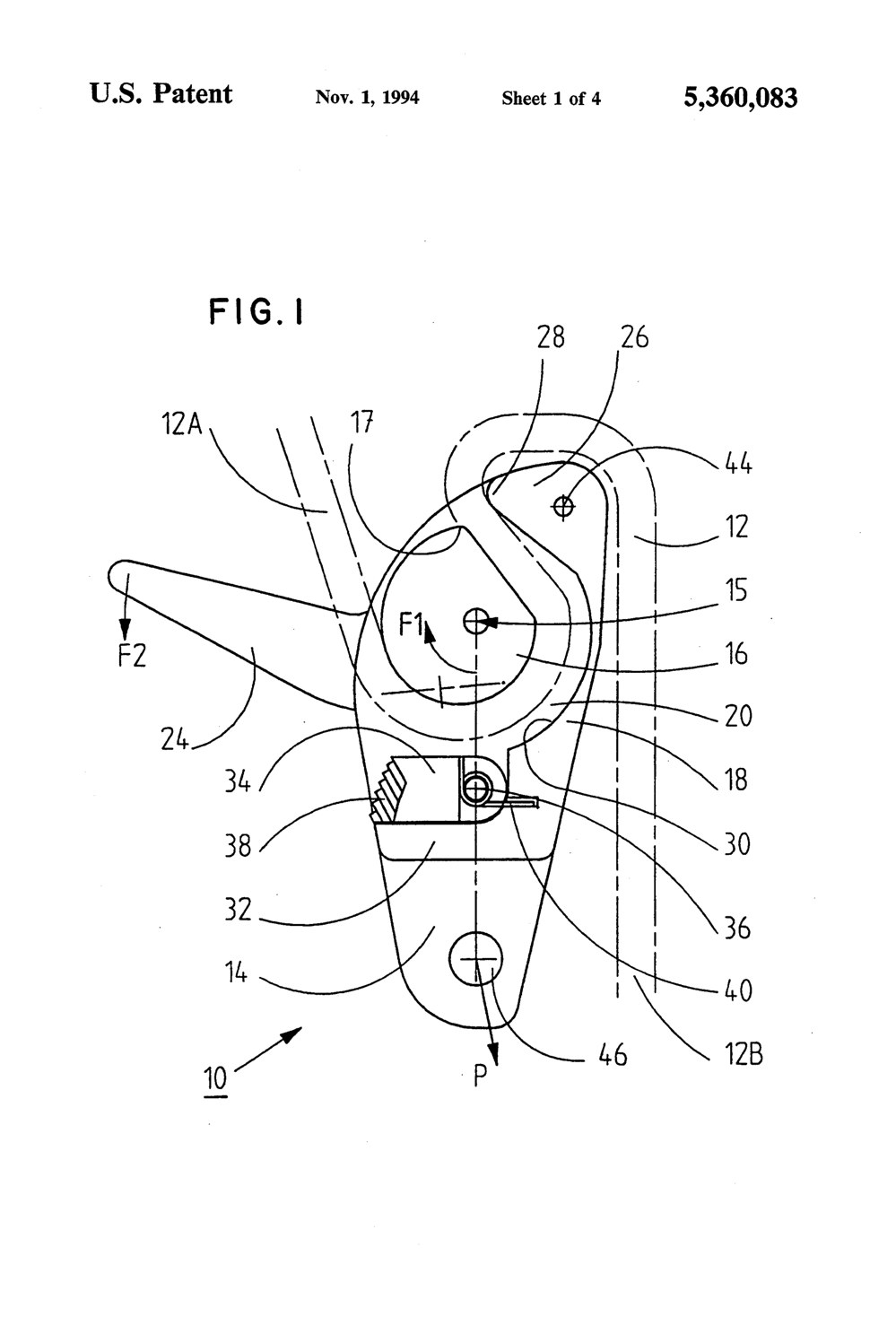
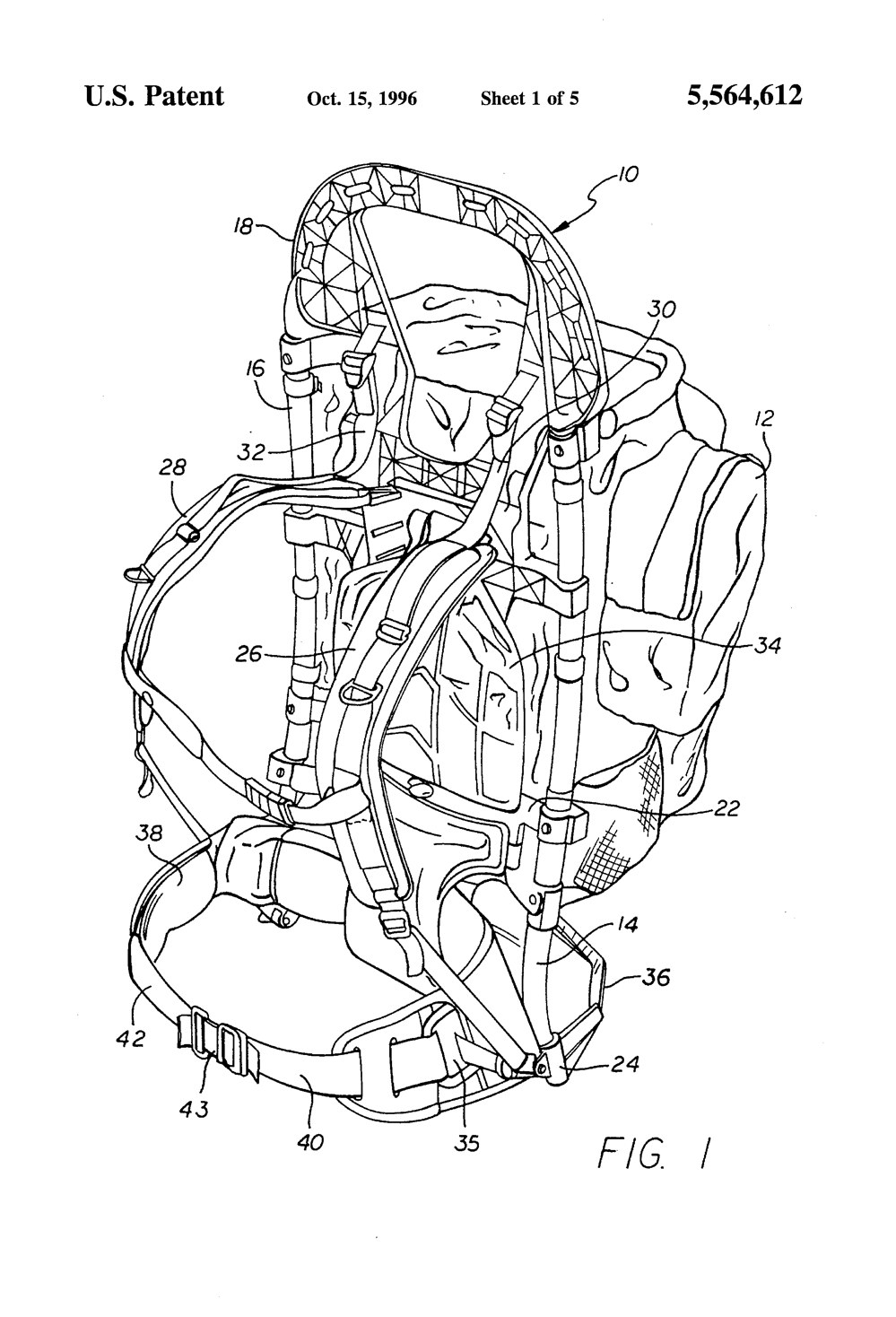
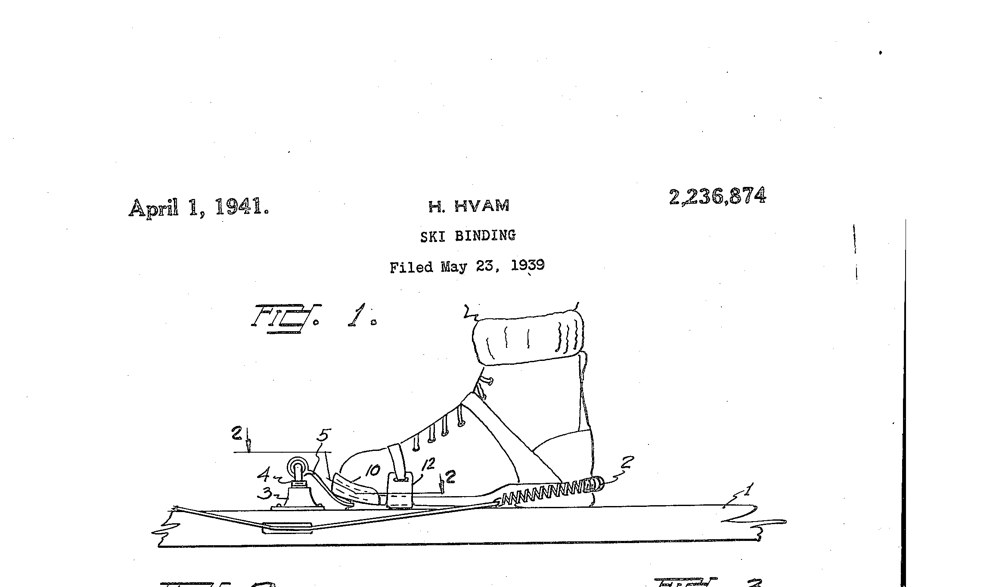
Catherine climbs, backpacks, and skis. These aren't patents she worked on — just a few real ones behind gear she actually uses and finds well designed.

What This Means For You

What this means for you

Real Technical Fluency
An engineering background means following your invention on its own terms, not just translating it into legal language
Budget Predictability
Flat-fee filings so you always know what to budget for
Direct Attorney Access
You work with your attorney, not a rotating team
Questions

Common questions

Will I work directly with you, or get handed off to someone else?
You work directly with your attorney throughout — not a rotating team or junior staff.
See all FAQs
Free Consultation

Ready to talk through your invention?

Call for a Free Consultation